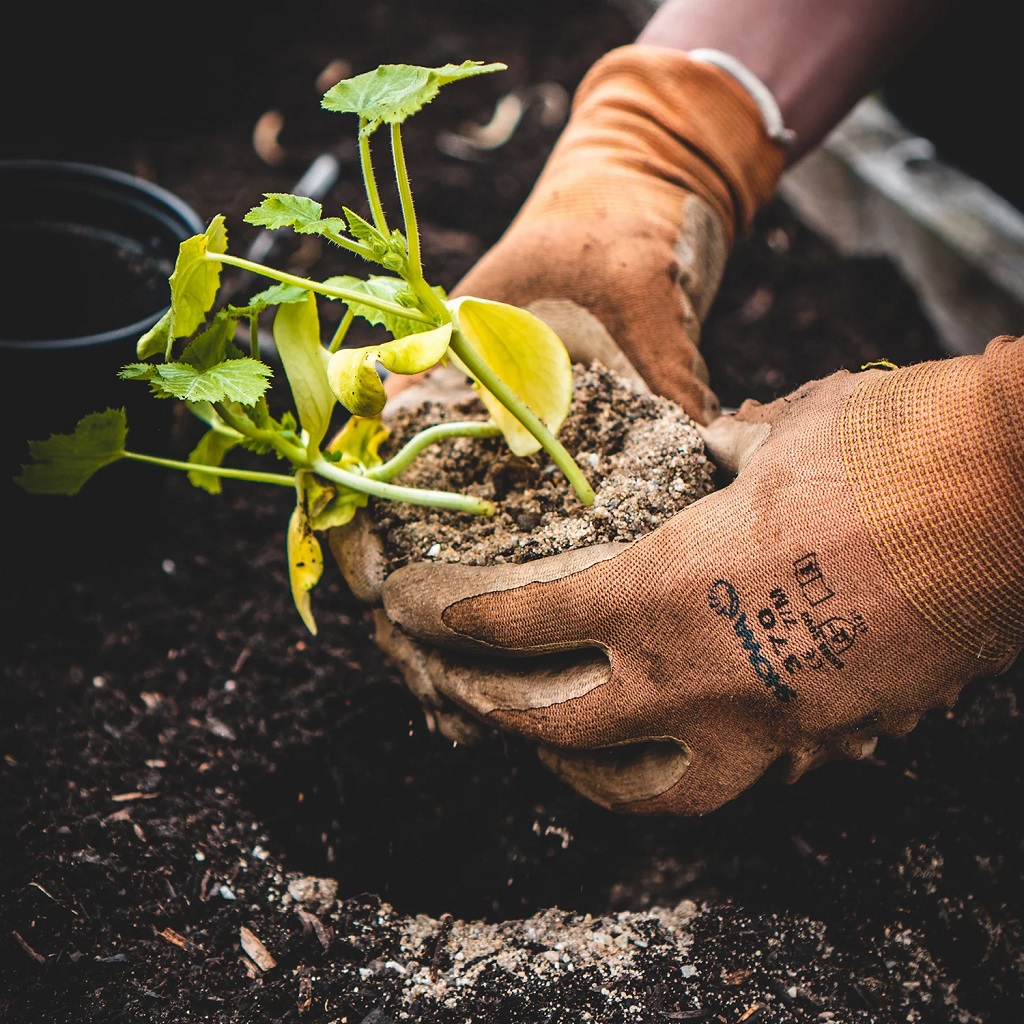
Successful gardening often boils down to a simple mantra: “Right Plant, Right Place.” This philosophy emphasizes selecting plants that are well-suited to your specific growing conditions rather than forcing a plant to adapt to an unsuitable environment. Adhering to this principle will save you time, effort, and money, leading to a much more vibrant and resilient garden.
Before heading to the nursery, take stock of your garden’s unique attributes:
- Light Conditions: Observe how much sun different areas of your garden receive throughout the day. Is it full sun (6+ hours direct sun), partial sun (3-6 hours direct sun), or full shade (less than 3 hours direct sun)? Plants have very specific light requirements, and mismatching can lead to stunted growth, poor flowering, or even death.
- Soil Type: As discussed previously, understanding your soil’s texture (sandy, silty, clay, loamy) and its drainage capabilities is crucial. Some plants prefer well-drained soil, while others tolerate or even thrive in consistently moist conditions.
- Hardiness Zone: Your USDA Plant Hardiness Zone (or equivalent local system) indicates the average annual extreme minimum winter temperature for your area. This determines which plants can survive your winters outdoors. Always check plant tags for their recommended hardiness zones.
- Water Availability: Consider how much water you can realistically provide. Are you aiming for a drought-tolerant landscape, or do you have access to ample irrigation? Select plants with water needs that align with your capabilities and local climate.
- Space & Size: Envision the plant at its mature size – both height and spread. Will it overcrowd other plants, block pathways, or grow too large for its allocated space? Account for root systems as well.
- Climate & Microclimates: Beyond just winter temperatures, consider your region’s average summer temperatures, humidity levels, and prevailing winds. Even within your own garden, microclimates (e.g., warmer spots against a south-facing wall, shadier areas under a large tree) can influence plant choice.
By thoroughly assessing these factors and cross-referencing them with plant requirements, you empower yourself to make informed decisions. A plant thriving in its ideal environment will be healthier, more resistant to pests and diseases, and ultimately, more beautiful, fulfilling its potential and bringing joy to your garden.
Leave a Reply